Better Baby Care Blog: Reducing Microplastics in Your Life
The following blog post was written as a pilot blog post for Better Baby Care, a small business selling plastic-free breast pump bottles.
A Guide to Kicking Your Plastic Habits
When my partner casually mentioned over breakfast, “Huh, apparently humans consume about a credit card worth of microplastics every week”, I couldn’t help but wince a little. It’s a bit scary, right? Any parent could understandably feel a little overwhelmed just looking around their home from the lightly chewed on toys in their living room to the plastic cutting board in the kitchen.
How do you get rid of something so ubiquitous in your life, though? The key is to recognize plastic for what it is, a habit that you can change one piece at a time. There are some concrete ways to reduce your family’s dependence on plastic. We’ll look at how you can tackle the biggest issues with changing plastic usage. Make it easy. Make it cheap. Make it stick.
Low Effort, Big Impact
How to Reduce Plastic (Almost) Without Trying
We’re not going to lie. Plastic is convenient. It’s sturdy enough, but also often cheap and disposable. The biggest thing to remember is you don’t have to toss all the plastic in your home and replace it all at once. To make things easier, prioritize items that already need replacing.
Timing is everything, and plastic items are often made to be tossed or replaced frequently. When the time is up on a plastic item, swap it with a non-plastic alternative. Here are a few examples:
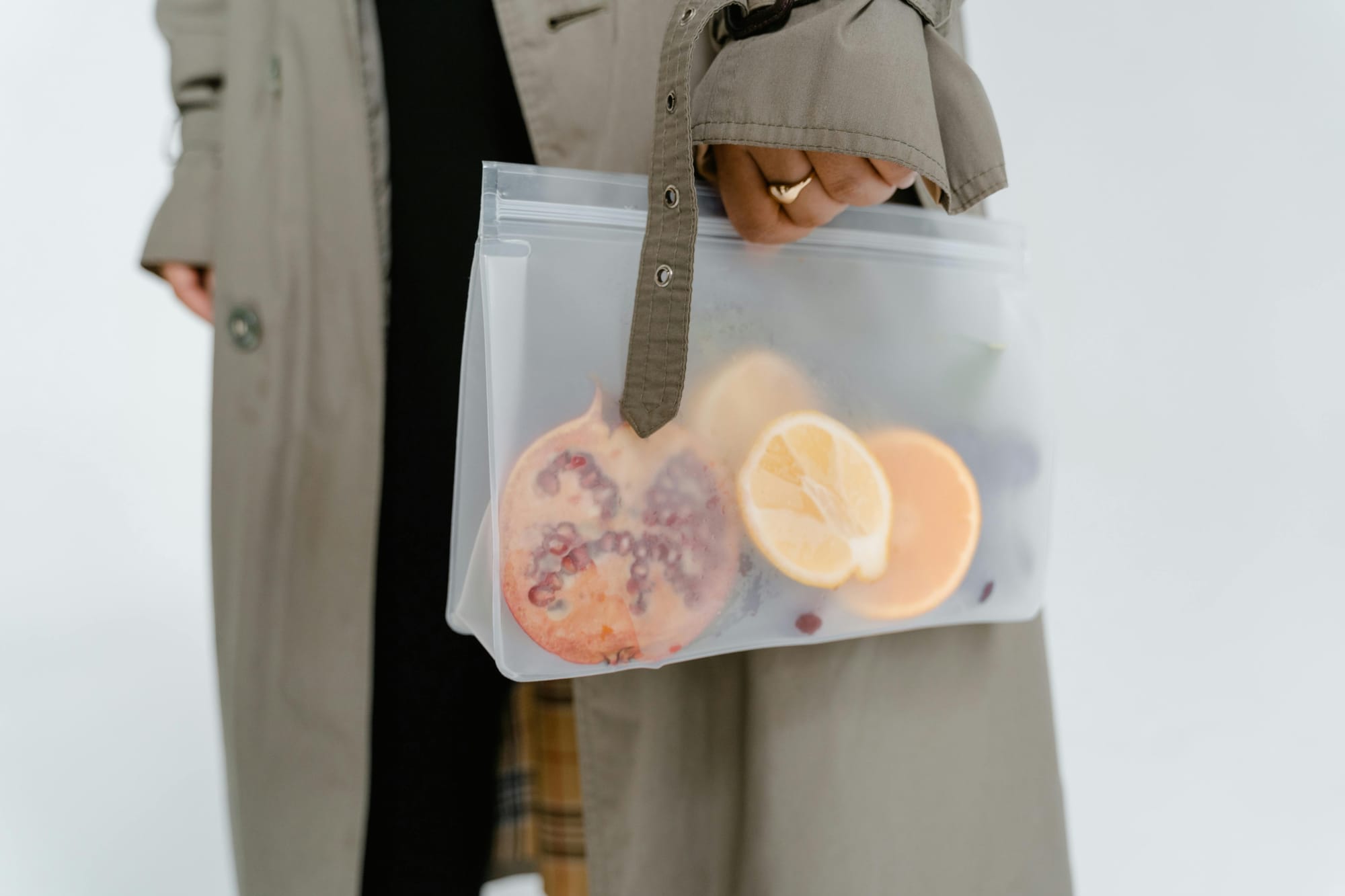
- Plastic storage bags: When you run out of zip-lock bags, swap them for reusable silicone bags. Better yet, look for ones that are dishwasher-safe.
- Tupperware: When food containers get smelly, stained, broken, or just lost, choose glass or stainless steel alternatives. They’ll be sturdier, dishwasher-safe, and won’t forever smell like fish or curry.
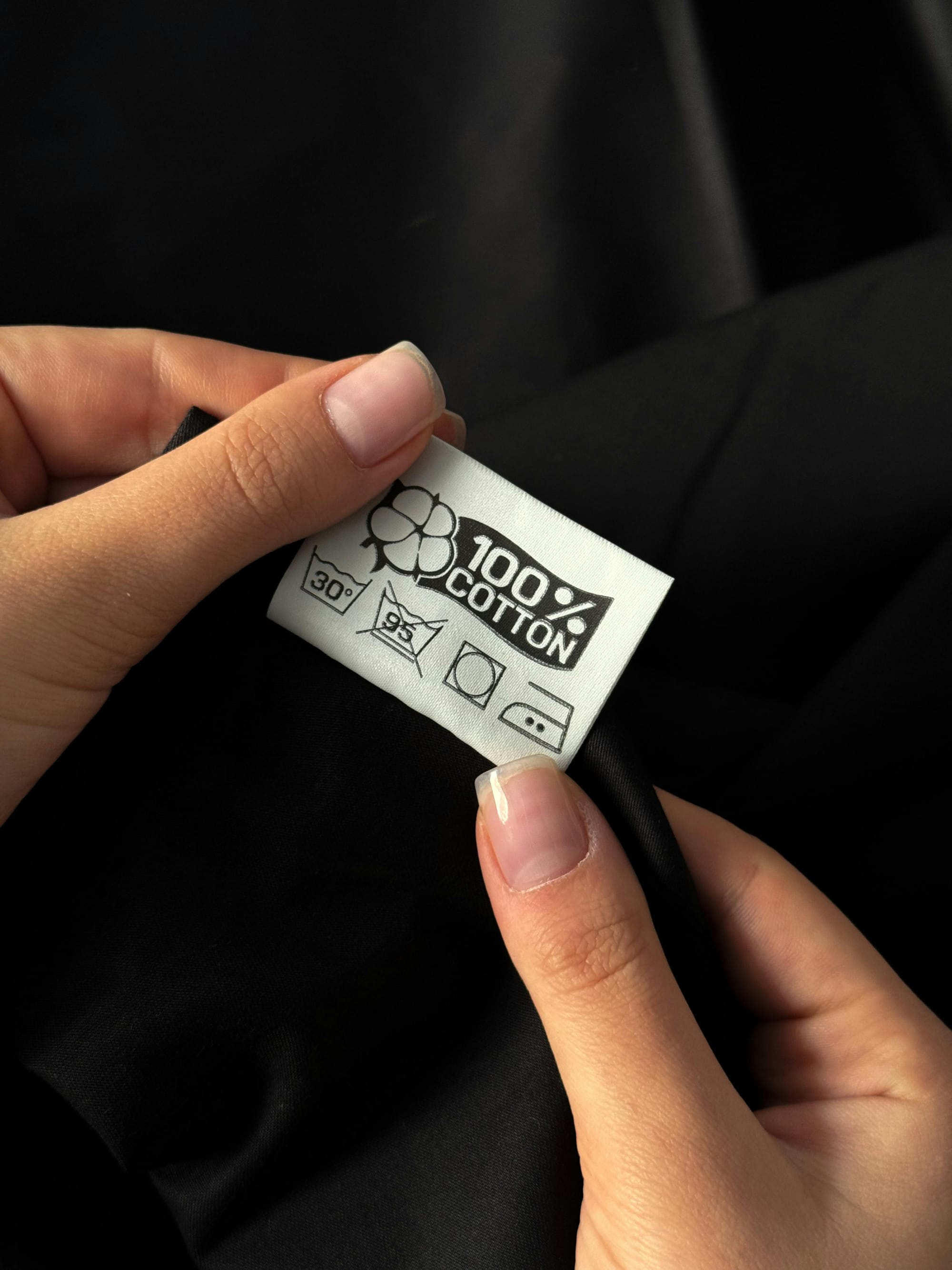
- Clothing: Synthetic, nylon, polyester, and acrylic are all plastic-based materials. They don’t directly put plastic in your body, but every time you wash them, some plastic goes into the waste water. So when that polyester sweater starts getting holes, replace it with cotton, wool, or other natural fibers.
Parents, in particular, should think about the lifespan of baby bottles and pumping bottles. Yes, they do actually have “expiration dates.” These vary by manufacturer but 6 months is a good rule of thumb. Putting them in the dishwasher along with many sanitizing methods reduces this lifespan further. Switching to stainless steel has the benefit of being light, durable, easy to wash and even anti-microbial. Glass alternatives will be heavier, but are still sturdy and dishwasher-safe.
Saving Money
How to Reduce Plastic on a Budget
Healthy plastic alternatives can get pricey. It’s true. Most of the swaps suggested above will give you products that save money by lasting longer. Admittedly though, you’ll see those savings over time, not immediately. So let’s talk about cheap and free ways to pinch some pennies.
Remember, it’s “Reduce, REUSE, Recycle.” Look around your house for possibilities. Use plastic items in place of other things you might buy. A plastic Tupperware becomes an organizer for office supplies. .
It goes the other way, too. Mason jars can get pricey. Use a bit of hot water to remove the label on an empty jar of marinara, and you’ve made your own. Punch a few drainage holes in your child’s plastic cup, and you’ve got a nice little plant pot.
Then we can go on to the absolute cheapest things you can buy to avoid plastic.
- Wooden and metal cooking utensils aren’t the only alternative to plastic ones (looking at you silicone), but they are the most inexpensive to be sure.
- As for what’s in your closet, opt for cotton. It’s often on par with plasticy materials in terms of price.
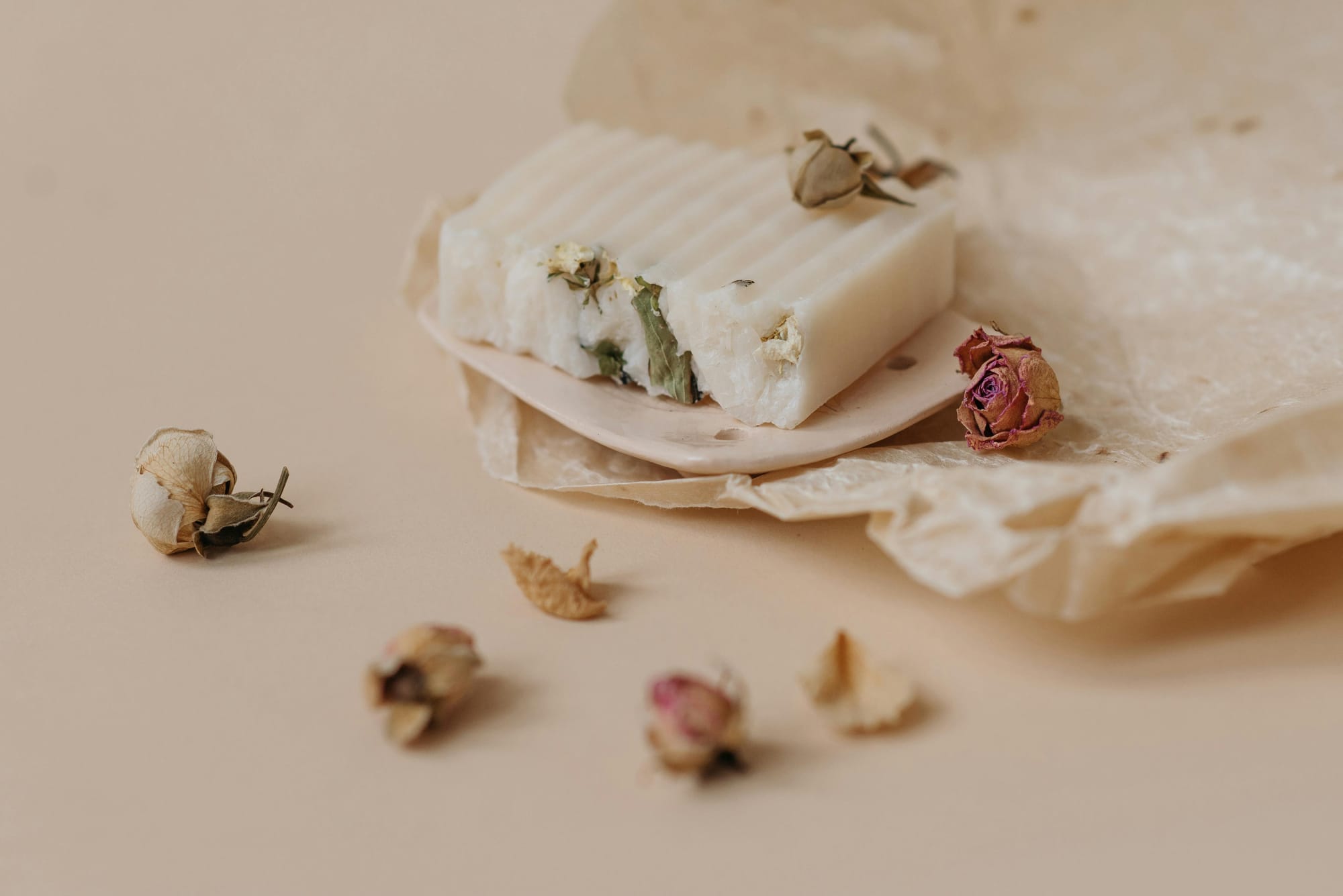
- Bar soap is typically cheaper than liquid soap or body wash while cutting out the need for a plastic container. Shampoo bars solve the same problem but are still currently on the pricier side.
Making it Stick
How to Make Plastic-Free Choices into Habits
To make any habit last, make it easy, obvious, attractive, and satisfying, or at least that’s what James Clear recommends in his book
- Make it easy: Opt for items that are easy to carry, safe to throw in the dishwasher or washing machine, and generally don’t add anything extra to your to-do list.
- Make it obvious: Put your non-plastic containers at the front of your tupperware drawer. Have a metal water bottle that lives in your gym or work bag.
- Make it satisfying: Find items that engage your senses. Enjoy soft natural fibers like wool or silk. Find a moisturizing bar soap with a scent you can fall in love with. Make using less plastic into its own reward!
Make it attractive: If splurging a bit on premium-feeling items (like a glass food container) makes you want to consistently use those items, it might be worth it!
Conclusion
You don’t need to tackle all of this at once. Prioritize the part of your life, or even the room of your home, where you want to start making gradual improvements. For more recommendations and inspiration, follow us on Instagram!